Building Resilience: Three Pillars for Living Well with Scoliosis
Dr. Christopher Standaert shares strategies for managing scoliosis through balance, energy management, and adaptive living approaches at the Spine & Scoliosis Support Group.
SCOLI
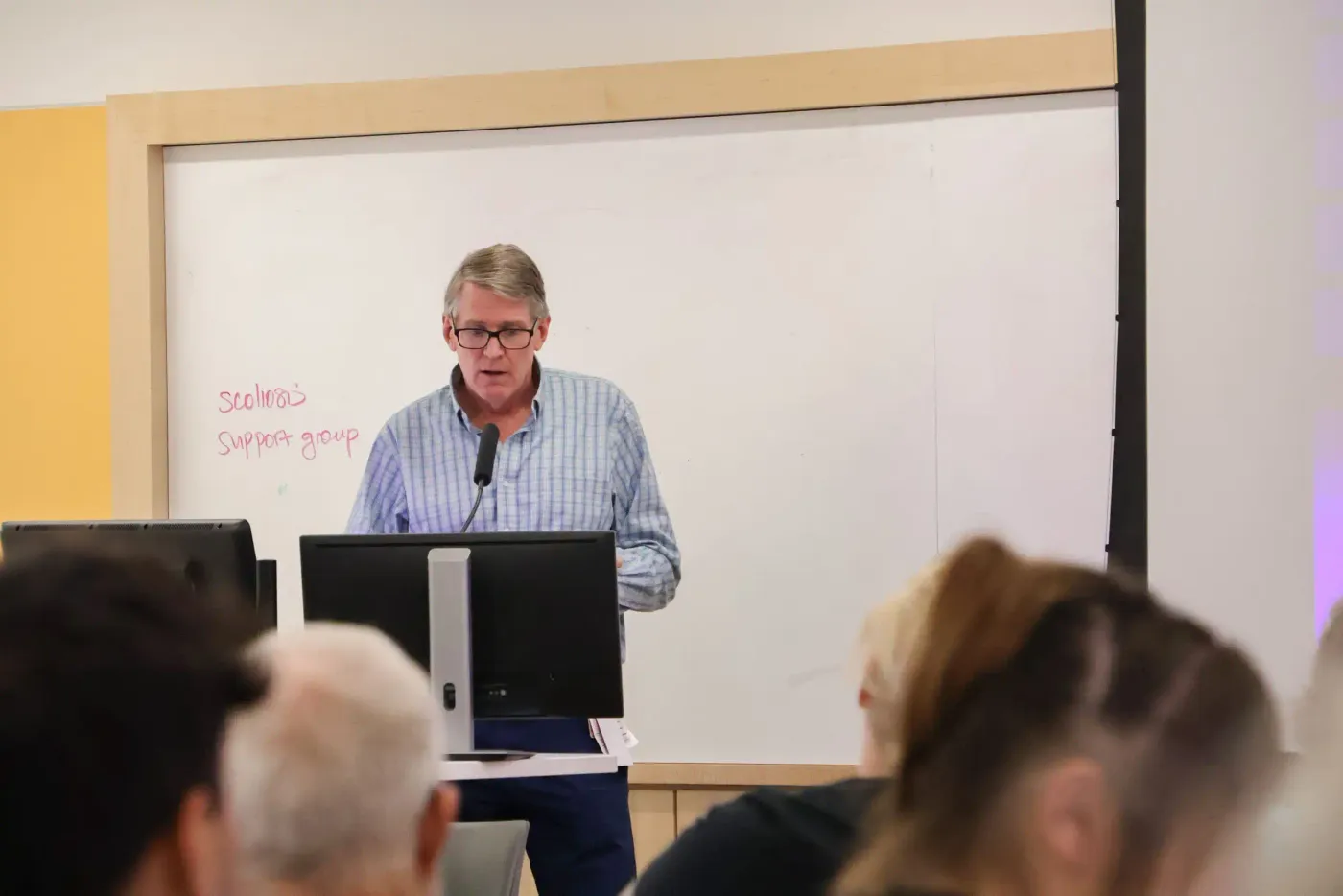
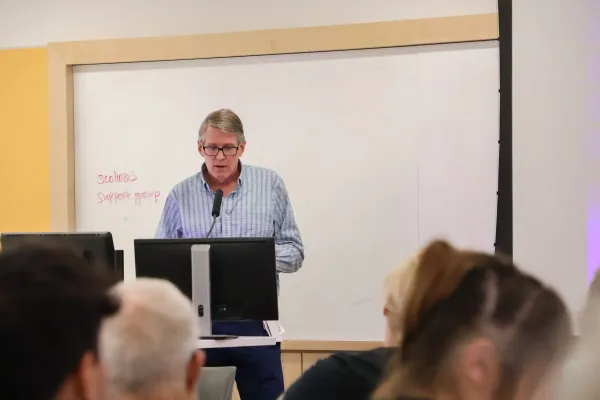
Pittsburgh, November 10, 2025 — During a recent session, Christopher Standaert, M.D., reframed scoliosis care as a lifelong pursuit of balance, strength, and community. Scoliosis changes the way the spine tilts, rotates, and carries the head. That extra work against gravity can feel exhausting—but the right plan keeps goals in reach.
Three Pillars for Everyday Resilience
Dr. Standaert highlighted the importance of building routines that work with, not against, the body:
Balance: Keep the head aligned over the pelvis and vary movement with aerobic exercise, strength training, flexibility work, and balance drills.
Energy Management: Recognize that every posture correction or step costs extra energy. Adaptive tools—walking sticks, walkers, carts—expand your base of support and conserve stamina.
Living Well Strategies: Confront challenges proactively, avoid environments that undermine stability, and work around limitations with creativity.
Applying the Confront / Avoid / Work Around Framework
Building a tailored plan makes scoliosis management feel actionable. Consider how these three strategies can reinforce one another:
Confront
- Curate a routine that mixes strength, stretching, and balance work.
- Prioritize restorative sleep and nutrition to power rehabilitation.
- Track small wins to stay motivated through incremental changes.
Avoid
- Step around unstable surfaces or cramped environments that create fall risks.
- Limit unnecessary weighted activities that strain posture.
- Set boundaries around strenuous tasks that drain energy reserves.
Work Around
- Swap high-impact routines for pool-based workouts that reduce gravitational load.
- Lean on assistive devices and ergonomic setups that free up energy for what matters most.
- Collaborate with care teams—therapists, physicians, and family—to adjust environments instead of pushing through pain.
People with scoliosis work harder against gravity, but with the right support team and adaptive strategies, you can conserve energy for the goals and relationships that matter most.
Building a Collaborative Care Network
No one should navigate scoliosis alone. Medical professionals, therapists, caregivers, and peer advocates all play a role in sustaining confidence and momentum. Regular check-ins help adjust bracing, therapy goals, and pain management plans as life evolves.
Join the Spine & Scoliosis Support Group
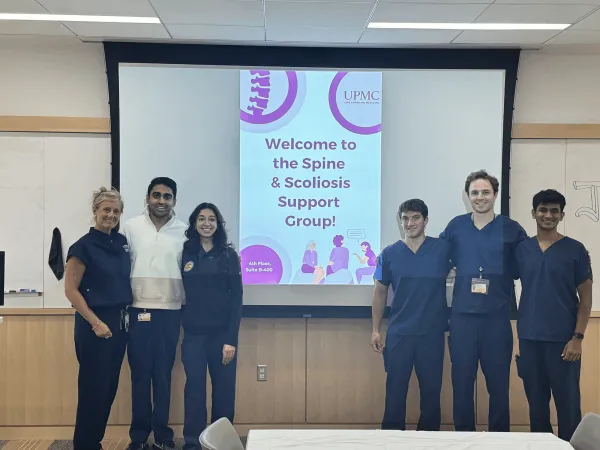
The University of Pittsburgh Department of Neurological Surgery hosts the Spine and Scoliosis Support Group, a welcoming community for patients and families at every stage of treatment.
Support Group Snapshot
Meeting Rhythm: Quarterly gatherings—next session is TBD. Check back soon for the confirmed date.
What to Expect: Expert-led discussions spanning neurosurgery, orthopedics, physical therapy, pain management, and mental health; guided conversations; and time to connect with peers.
Stay Connected: Reach out via phone at 412-647-3604 or email hlavackp@upmc.edu, and explore resources on the Spine & Scoliosis Support Group page.
Next Steps for Living Well
Whether you are newly diagnosed or managing scoliosis for years, blend these strategies with consistent follow-up care. Celebrate steady progress, lean on adaptive tools without stigma, and prioritize the relationships that energize you.
We invite you to bring your questions, challenges, and stories to our support group. Together, we can build resilient routines, share honest conversations, and keep the focus on living fully.