Ben Carnovale Awarded NREF Medical Student Summer Research Fellowship
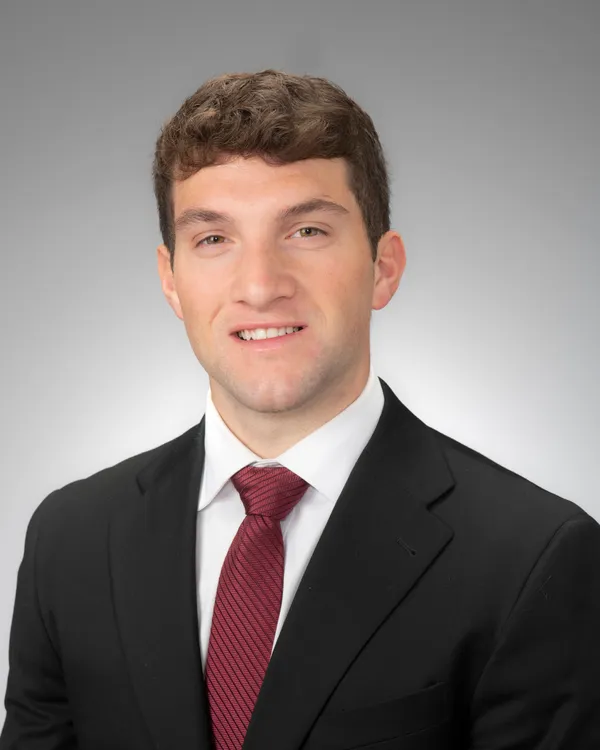
Ben Carnovale, a Junior Research Fellow at SCOLI and medical student at the University of Pittsburgh School of Medicine, has received a Medical Student Summer Research Fellowship from the Neurosurgery Research & Education Foundation for his work on a self-powered spinal fusion cage.
SCOLI
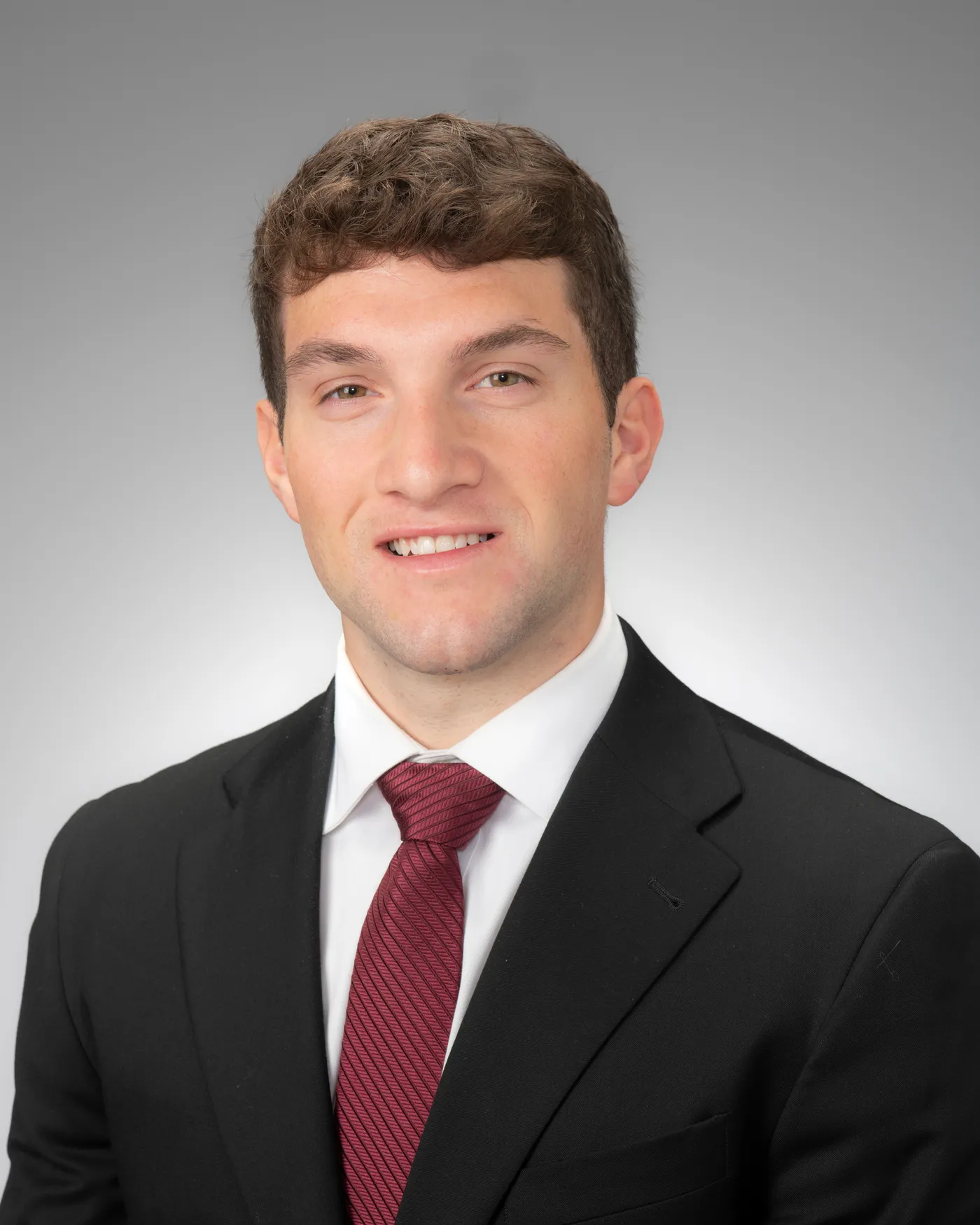
Ben Carnovale, recipient of a Neurosurgery Research & Education Foundation Medical Student Summer Research Fellowship.
Ben Carnovale, a Junior Research Fellow at SCOLI and a medical student at the University of Pittsburgh School of Medicine, has been awarded a Medical Student Summer Research Fellowship from the Neurosurgery Research & Education Foundation (NREF), the philanthropic arm of the American Association of Neurological Surgeons (AANS). The fellowship supports promising medical students pursuing dedicated research in the neurosurgical sciences.
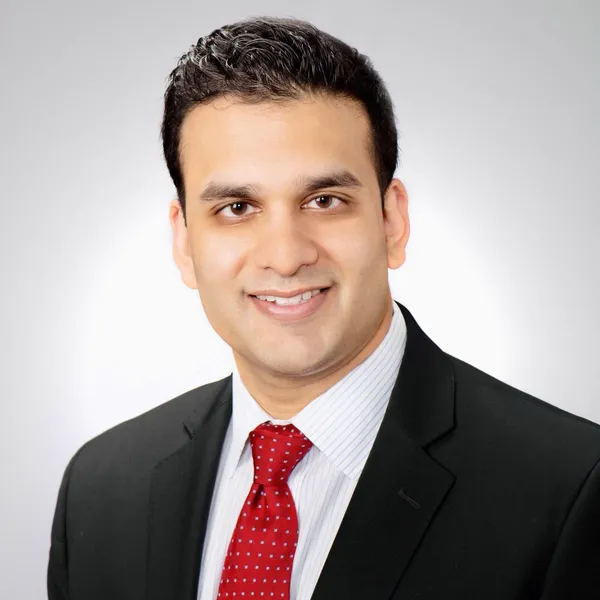
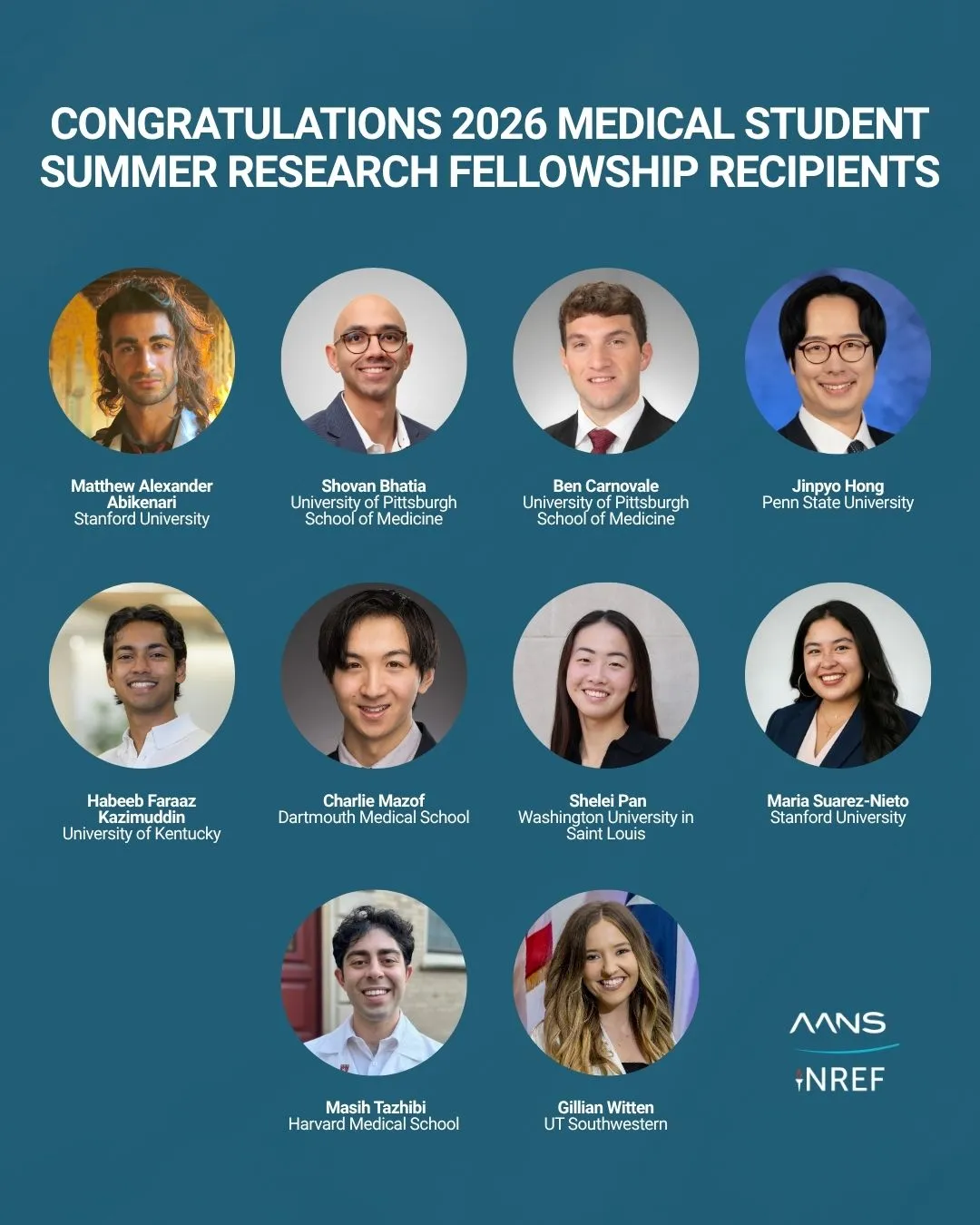
Ben was named among ten recipients selected nationally for the 2026 cycle, from institutions including Stanford University, Harvard Medical School, Dartmouth Medical School, Washington University in Saint Louis, and others. He is one of two honorees from the University of Pittsburgh School of Medicine, alongside fellow student Shovan Bhatia.
The award funds Ben’s project, “Self-Powered Metamaterial Spinal Fusion Cage for Enhanced Osseointegration via Triboelectric Stimulation,” carried out under the mentorship of Dr. Nitin Agarwal, with co-mentorship from Dr. Amir H. Alavi.
A Self-Powered Approach to Spinal Fusion
More than 600,000 spinal fusion surgeries are performed each year in the United States, and over half of patients are considered difficult to fuse due to factors such as smoking, diabetes, and obesity. These patients face an elevated risk of pseudarthrosis, or failure of the bone to heal. Electrical stimulation is known to improve bone healing in these cases, but existing methods depend on external power sources or added invasive implants, which limits how widely they can be used.
Ben’s project addresses this gap with an interbody fusion cage that generates its own electrical stimulation. The design builds on a class of engineered structures known as meta-tribomaterials, which pair conductive and dielectric lattices so that natural spinal motion produces contact electrification. In other words, the everyday micro-motions of the spine are converted into localized electrical signals at the site of healing, with no battery or external hardware required.
As bone fuses and the mechanical load on the cage decreases, the electrical output naturally tapers off, providing a built-in mechanism that helps prevent excessive bone growth.
Aims of the Project
The fellowship work is organized around two specific aims:
-
Optimize and characterize the cages for reliable power output and mechanical integrity.
-
Validate biological efficacy in vitro by measuring osteoblast proliferation and differentiation in stimulated versus control groups.
Preliminary work in the lab has already demonstrated patient-specific metamaterial cages that generate electrical signals in response to spinal motion in human cadaver models, with power output in a range shown to support bone formation. The NREF-funded studies aim to move that foundation toward biological validation and, ultimately, translational study.
Recognition of Emerging Research Talent
The Medical Student Research Fellowship reflects the promise of Ben’s work at the intersection of engineering and neurosurgery. A University Scholar who graduated in the top of his class in electrical engineering before entering medical school, Ben brings a distinctive combination of technical and clinical perspectives to SCOLI’s research mission.
The team congratulates Ben on this recognition and looks forward to the results of his fellowship research.